GDPR

Data Protection Day 2019: Privacy firmly in the limelight

We asked some of the leading figureheads and thought-leaders in the field of cybersecurity and privacy to give us their thoughts about what 2019 has in store for us when it comes to privacy and data protection, just days before the Data Protection Day (or Data Privacy Day as it is called in the US).…


We asked some of the leading figureheads and thought-leaders in the field of cybersecurity and privacy to give us their thoughts about what 2019 has in store for us when it comes to privacy and data protection, just days before the Data Protection Day (orData Privacy Dayas it is called in the US). We received more than 100 replies that cover the widest possible spectrum and show how important and critical that field has become for the wider tech community. 

  • 2019 is the year we discover the true cost of poor data protection
  • These are the seven deadly sins of data tampering
  • Four easy ways to protect your digital Identity

So why the Data Protection day is so important?

Mike Turner, Head of Compliance at Mojo Mortgages, gives his thoughts

GDPRimplementation last year – It is great to see the transition hasn’t been the nightmare some predicted it would. I think Data Protection Day is of particular importance this year for awareness reasons. 

DP day provides the opportunity to bring governments, parliaments, and regulators and specific DP bodies together to raise awareness of what rights individuals have, specifically relating to personal data and privacy. The day opens up the floor for active discussions about how we can better protect and guard the data across a variety of industries, as well as the tools and strategies to put them in place. 

With that being said, the awareness behind data protection should be permeated to society every day. Yes, Data Protection Day serves a timely reminder of individual privacy, however distributing awareness surrounding data protection should be instilled in every companies strategy. 

Nonetheless, Data Protection Day gives a chance for a diverse number of organisations to come together to acknowledge the trust customers put in organisations to protect their data and stresses how important safeguarding customer data will be if business are to be successful.

Is it actually necessary to have such an event in 2019?

Colin Truran, principal technology strategist, Quest answers

We should ask ourselves, is an arbitrary day to simply raise awareness of data privacy really necessary in 2019? In the era of GDPR, multi-million dollar lawsuits, and career-ending data breaches, awareness of data privacy is higher than ever. It may sound cliché, but every single day of the year should be a day for businesses and individuals to do more to protect personal data. 

Data Privacy Day has been a fixture of the calendar since 2007, and I believe it needs to evolve to stay relevant with the rapidly changing data landscape. Beyond raising awareness, the 28th January needs to become a day where businesses are genuinely held accountable for their data protection practices. 

To celebrate a day like this, we should be calling on all organisations to be transparent and publish exactly what they’re doing to safeguard their customers’ data, making Data Privacy Day an annual check-in on the health of data protection and to ensure there are no hiding places for data misuse. The day is an opportunity for organisations to demonstrate how competitive they are in upholding the rights of the individual and protecting their data.

How does trust factor in to data protection?

Mark Barrenechea, CEO at OpenText, elaborated

Over 2.5 quintillion bytes of data are created each day. This pace will only continue to accelerate as automated cars, sensors, drones, and the Internet of Things (IoT) introduce new formats at a rapid-fire pace. Clearly, we are in store for an information-infused future. This data is to a business or to an individual, as blood is to the body. Its foundation: trust.

Banish data, or the trust to protect it, and the world falls apart: all commerce would cease; bank accounts would have zero balances; planes would fall out of the sky; cars would halt in their tracks; power and water would stop flowing. Data, business and life are inseparable, and as indispensable as water, air and electricity. More profoundly, data and systems are so advanced that we can begin to see our human and cognitive form in our own digital data trails. Every day we are building, brick by brick and bit by bit, a digital copy of ourselves, whether we are aware of it or not.

The nature of the data has changed, as today’s data goes well beyond what you can find in the phone book of a decade ago. In this digital era, your modern data now includes your behaviours (friends list, what you read, pictures, a recording of all your phone calls, etc). But what is the real difference when a bad actor steals 135 million people’s data from a credit aggregator or when a social media company sells 85 million people’s data to a political consulting firm? The actors are different, but the consumer impact is the same. Trust is broken. Whether it be governments, individuals or businesses, when trusted with data, it is job Number 1 to defend and protect that which is entrusted. This trust transcends products or services.”

Why data protection has becoming increasingly complex and the regulatory framework is more significant now more than ever before?

Darren Barker, VP & General Manager UK&I of Hitachi Vantara

Data is fast becoming a new global currency, perhaps the most powerful in history, and businesses mine, collect and safeguard it. Yet unlike gold or oil which is made valuable by its scarcity, data is in abundance – and it is the sheer volume of it that makes it so challenging to govern. Businesses are often overwhelmed by their data, which is typically disparate and scattered across departments and even geographies. It’s not just small companies that are struggling in a new data-saturated world. If anyone needs a reminder of the pertinence of data protection, just last week, Google was handed a £44 million fine in France for alleged GDPR breaches. 

Unlike a traditional currency, you can’t hand data over to a bank or lock it in a vault. Rather than a bank manager, businesses increasingly entrust their data to the Chief Data Officer. Still, companies live under the constant shadow of stringent regulation. This isn’t a bad thing – imagine toda

Read More

Be the first to write a comment.

Leave a Reply

Your email address will not be published. Required fields are marked *

GDPR

AIを「評価する」新しい職種が台頭——企業が気づき始めた安全網の必要性

評価は「ゲート」ではなく「継続的な実践」だ AIパイロットを通過したはずのエージェントが、本番環境で想定外の挙動を見せる——そんな事例が増えている。そこで、企業の中には「AI評価チーム」という新たな職種を設ける動きが出てきている。 Google CloudでプロダクトマネジメントとデータAIクラウドを統括するマネージングディレクター、Yasmeen Ahmad氏はこう語る。 「自律型の複雑なエージェントはこれまで存在しなかったものだ。実際に現場で動くエージェントを見た顧客は、評価は一度やれば終わりではなく、継続的に行うものだと気がつき始めている」 Googleでは、AI評価チームをエージェント開発グループに組み込み、開発と評価を並行して進める体制を取っている。「エージェントの構築と同時に評価が走っている。そうすることで、速い反復サイクルが生まれる」とAhmad氏は言う。 ソフトウェア開発会社Innowise のCIO、Maksim Hodar氏によれば、他の企業でも大規模なAI・IT部門の中にAI評価タスクフォースを設ける動きが始まっているという。新たに採用するのではなく、データアーキテクト、セキュリティ担当、コンプライアンス責任者を組み合わせてチームを編成するケースも多いという。 「あれば良い」から「なければならない」へ AI評価チームのメンバーは、コーディングとビジネス倫理の間に立つハイブリッドな役割を担う。Hodar氏はこう断言する。「AI評価チームは『あれば良い』から『不可欠』へと進化しつつある。企業が盲目的なAI導入から脱却し、いわゆる『安全網』に対してより慎重なアプローチを取り始めている」 オブザバビリティやガバナンス製品など、AIの質の低い出力を防ぐためのツールが登場しているが、テクノロジーだけでは不十分だとHodar氏は言う。そのITツールが会社の価値観やGDPR(EUの一般データ保護規制)などの規制に沿っているかどうかを判断するのは、人間の役割だ。 「テクノロジーは技術的なエラーを検出できても、文脈を評価することはできない。テクノロジーは情報を提供するが、最終的にゴーサインを出すのは評価チームだ。説明責任は自動化できない」 テスト環境を通過したエージェントが、現場で失敗する理由 GoogleのAhmad氏も同じ見解を示す。オブザバビリティツールが提供するデータは評価チームに不可欠だが、テクノロジーだけではAIモデルやエージェントの不良な出力を修正するために必要な文脈を提供できない。AIエージェントはテスト環境では優秀な成績を収める。しかし、現実の状況での挙動を追跡するには人間の評価チームが必要だ。 「エージェント型アプリケーションは、想定したシナリオの単体テストは通過するかもしれない。しかしエージェントシステムは非決定論的な意思決定者だ。現実の世界でどのような挙動をとりうるか、そのすべてをテストしているわけではない」とAhmad氏は言う。 トークンの使用量、ツールの使用状況、ツールの障害、推論エラーといったデータはオブザバビリティツールで把握できる。しかし、問題の多くを修正するには人間の評価者が必要だ。評価チームは、エージェントが頻繁に犯す推論エラーに文脈を与えることができる。 「評価チームがエージェントの検証に費やす時間の大半は、『なぜここで推論が失敗したのか』を突き止めることに使われる」とAhmad氏、「エージェントが十分なコンテキストにアクセスできていないからだ。解決策は、エージェントが適切な推論判断を下せるよう、適切なレイヤーに適切なコンテキストを与えることだ」と続けた。 最大の障壁は技術ではなく、人間だ 契約ライフサイクル管理ベンダーAgiloftでAIオペレーション担当バイスプレジデントを務めるNoe Ramos氏は、優れた評価チームがカバーすべき課題として、ガバナンス、組織の文化的な準備状況、業務フローとの整合、そしてAIツールのビジネスへの測定可能なインパクトを挙げる。 「最大の障壁は技術的なものではなく、人間だ。強力なツールを導入しても、人々がそれを信頼せず、理解せず、自分の仕事にどう役立つかが見えなければ、うまくいかない」 Ramos氏はこう強調する。「AIは勢いだけで展開できるものではない」。AIを本格的にスケールさせるには、体系的な評価の仕組みが不可欠だ。 「AI評価とは安全のためだけではない。AIがノイズを増やすのではなく、明確さと行動をもたらすことを確かめるためのものだ」とRamos氏は言う。 Ramos氏は最近、ITバイスプレジデントからAIオペレーション担当バイスプレジデントに昇格した。評価をAgiloftのAI運用モデルに組み込むことが、チームのミッションだ。 評価チームが機能するための条件 「AI開発の優先順位は、聞こえてくる要望の大きさではなく、組織への貢献度で決めるべきだ」とRamos氏は言う。AI施策が声の大きい部門に引きずられるリスクを、氏は常に意識している。 評価チームをどこに置くかも重要だ。ITやセキュリティ、データ部門だけでなく、現場の業務部門も巻き込んだ場所に置くべきだとRamos氏は主張する。評価リーダーには、自社の業務フローへの深い理解が求められる。 「AI評価が失敗するのは、企業が自社のワークフローを把握できていないからだ。業務フローを整理せず、ボトルネックを特定せず、優先順位を揃えないまま——そんな状態でAIを評価しても意味がない」…

評価は「ゲート」ではなく「継続的な実践」だ

AIパイロットを通過したはずのエージェントが、本番環境で想定外の挙動を見せる——そんな事例が増えている。そこで、企業の中には「AI評価チーム」という新たな職種を設ける動きが出てきている。

Google CloudでプロダクトマネジメントとデータAIクラウドを統括するマネージングディレクター、Yasmeen Ahmad氏はこう語る。

「自律型の複雑なエージェントはこれまで存在しなかったものだ。実際に現場で動くエージェントを見た顧客は、評価は一度やれば終わりではなく、継続的に行うものだと気がつき始めている」

Googleでは、AI評価チームをエージェント開発グループに組み込み、開発と評価を並行して進める体制を取っている。「エージェントの構築と同時に評価が走っている。そうすることで、速い反復サイクルが生まれる」とAhmad氏は言う。

ソフトウェア開発会社Innowise のCIO、Maksim Hodar氏によれば、他の企業でも大規模なAI・IT部門の中にAI評価タスクフォースを設ける動きが始まっているという。新たに採用するのではなく、データアーキテクト、セキュリティ担当、コンプライアンス責任者を組み合わせてチームを編成するケースも多いという。

「あれば良い」から「なければならない」へ

AI評価チームのメンバーは、コーディングとビジネス倫理の間に立つハイブリッドな役割を担う。Hodar氏はこう断言する。「AI評価チームは『あれば良い』から『不可欠』へと進化しつつある。企業が盲目的なAI導入から脱却し、いわゆる『安全網』に対してより慎重なアプローチを取り始めている」

オブザバビリティやガバナンス製品など、AIの質の低い出力を防ぐためのツールが登場しているが、テクノロジーだけでは不十分だとHodar氏は言う。そのITツールが会社の価値観やGDPR(EUの一般データ保護規制)などの規制に沿っているかどうかを判断するのは、人間の役割だ。

「テクノロジーは技術的なエラーを検出できても、文脈を評価することはできない。テクノロジーは情報を提供するが、最終的にゴーサインを出すのは評価チームだ。説明責任は自動化できない」

テスト環境を通過したエージェントが、現場で失敗する理由

GoogleのAhmad氏も同じ見解を示す。オブザバビリティツールが提供するデータは評価チームに不可欠だが、テクノロジーだけではAIモデルやエージェントの不良な出力を修正するために必要な文脈を提供できない。AIエージェントはテスト環境では優秀な成績を収める。しかし、現実の状況での挙動を追跡するには人間の評価チームが必要だ。

「エージェント型アプリケーションは、想定したシナリオの単体テストは通過するかもしれない。しかしエージェントシステムは非決定論的な意思決定者だ。現実の世界でどのような挙動をとりうるか、そのすべてをテストしているわけではない」とAhmad氏は言う。

トークンの使用量、ツールの使用状況、ツールの障害、推論エラーといったデータはオブザバビリティツールで把握できる。しかし、問題の多くを修正するには人間の評価者が必要だ。評価チームは、エージェントが頻繁に犯す推論エラーに文脈を与えることができる。

「評価チームがエージェントの検証に費やす時間の大半は、『なぜここで推論が失敗したのか』を突き止めることに使われる」とAhmad氏、「エージェントが十分なコンテキストにアクセスできていないからだ。解決策は、エージェントが適切な推論判断を下せるよう、適切なレイヤーに適切なコンテキストを与えることだ」と続けた。

最大の障壁は技術ではなく、人間だ

契約ライフサイクル管理ベンダーAgiloftでAIオペレーション担当バイスプレジデントを務めるNoe Ramos氏は、優れた評価チームがカバーすべき課題として、ガバナンス、組織の文化的な準備状況、業務フローとの整合、そしてAIツールのビジネスへの測定可能なインパクトを挙げる。

「最大の障壁は技術的なものではなく、人間だ。強力なツールを導入しても、人々がそれを信頼せず、理解せず、自分の仕事にどう役立つかが見えなければ、うまくいかない」

Ramos氏はこう強調する。「AIは勢いだけで展開できるものではない」。AIを本格的にスケールさせるには、体系的な評価の仕組みが不可欠だ。

「AI評価とは安全のためだけではない。AIがノイズを増やすのではなく、明確さと行動をもたらすことを確かめるためのものだ」とRamos氏は言う。

Ramos氏は最近、ITバイスプレジデントからAIオペレーション担当バイスプレジデントに昇格した。評価をAgiloftのAI運用モデルに組み込むことが、チームのミッションだ。

評価チームが機能するための条件

「AI開発の優先順位は、聞こえてくる要望の大きさではなく、組織への貢献度で決めるべきだ」とRamos氏は言う。AI施策が声の大きい部門に引きずられるリスクを、氏は常に意識している。

評価チームをどこに置くかも重要だ。ITやセキュリティ、データ部門だけでなく、現場の業務部門も巻き込んだ場所に置くべきだとRamos氏は主張する。評価リーダーには、自社の業務フローへの深い理解が求められる。

「AI評価が失敗するのは、企業が自社のワークフローを把握できていないからだ。業務フローを整理せず、ボトルネックを特定せず、優先順位を揃えないまま——そんな状態でAIを評価しても意味がない」…
Read More

Continue Reading
GDPR

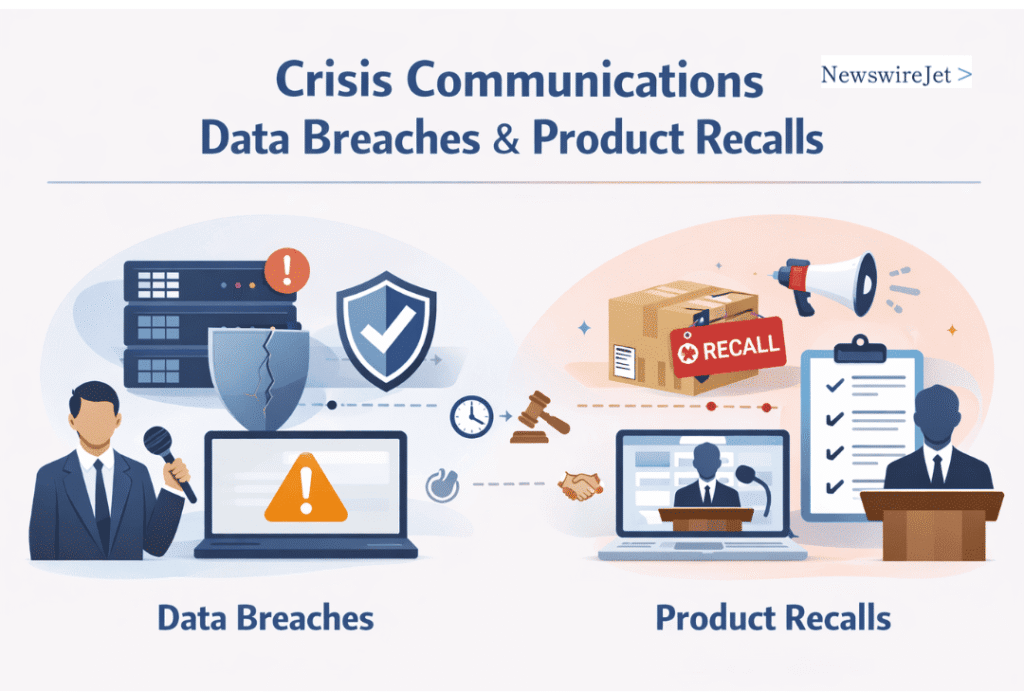
Crisis Communications for Data Breaches & Product Recalls

When customer data spills or a recalled product stays on shelves, you face two immediate fires: legal deadlines and public panic.  The law doesn’t wait. Europe’s GDPR gives you three days to report a serious breach.  In the U.S., coordinating a recall means navigating agencies like the FDA (for food/drugs) or CPSC (for consumer products).&#160…

When customer data spills or a recalled product stays on shelves, you face two immediate fires: legal deadlines and public panic.  The law doesn’t wait. Europe’s GDPR gives you three days to report a serious breach.  In the U.S., coordinating a recall means navigating agencies like the FDA (for food/drugs) or CPSC (for consumer products). …
Read More

Continue Reading
GDPR

Global Manager Group Launches ISO 27701 PIMS with GDPR Documentation Kits

Global Manager Group launched an ISO 27701:2025 PIMS kit with 155+ editable GDPR-aligned templates, audit tools, and a compliance matrix to speed certification and privacy compliance…

Global Manager Group launched an ISO 27701:2025 PIMS kit with 155+ editable GDPR-aligned templates, audit tools, and a compliance matrix to speed certification and privacy compliance…
Read More

Continue Reading
GDPR

Fospha as TikTok’s New Measurement Partner

Understanding media performance in digital marketing is like navigating a maze that constantly changes. The emergence of platforms like TikTok has revolutionized how brands connect with their audience, adding layers of complexity and opportunity. However, with regulatory changes such as GDPR and iOS 14.5 updates, eCommerce brands are now facing a growing challenge: gaining clear

Understanding media performance in digital marketing is like navigating a maze that constantly changes. The emergence of platforms like TikTok has revolutionized how brands connect with their audience, adding layers of complexity and opportunity. However, with regulatory changes such as GDPR and iOS 14.5 updates, eCommerce brands are now facing a growing challenge: gaining clear [……
Read More

Continue Reading