These Labor Day TV sales won’t last much longer – save up to $800 today only

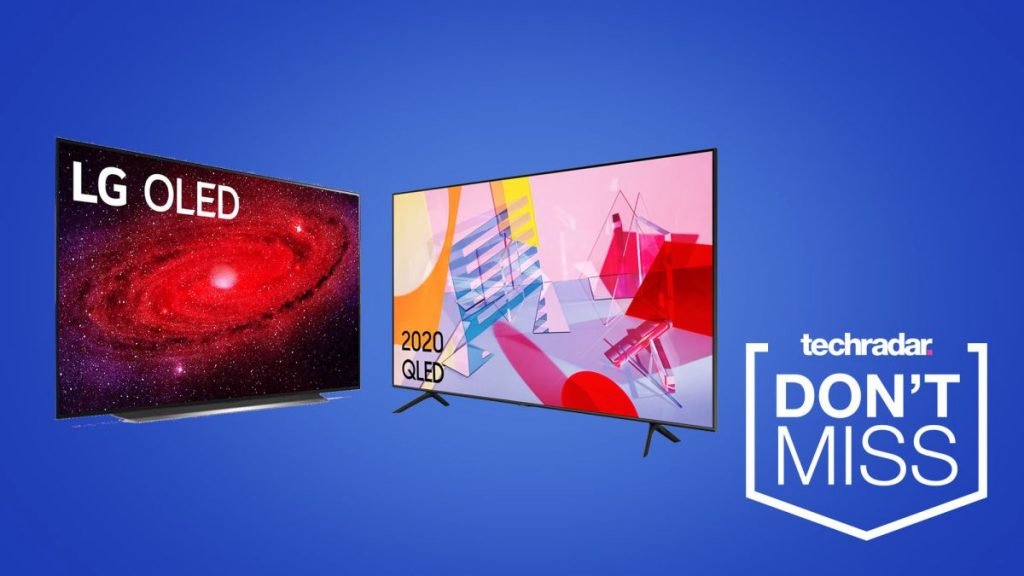
The Labor Day TV sales may have officially closed out on Monday, but there are still plenty of deals still live this week. We’re seeing a massive selection of TV deals still available for purchase right now, with discounts sticking around well after the midnight deadline of Monday night. You’ll find savings at Amazon and Best Buy have held on particularly well, so we’d recommend starting there for the best chance at nabbing a late discount.
From super cheap HD TVs (we’re talking under $100 here) to massive $800 savings on top of the range Sony OLED panels, there’s a wide variety of savings still live right now. We’re seeing top brands like LG, Samsung and Sony taking some mega-price cuts in the Labor Day TV sales, with cheaper Hisense and Toshiba models bringing their own excellent prices at the cheaper end of the scale as well.
$300 off today, now down to $1,499 – that’s fantastic value on one of the most sought-after TVs around.
That’s just a taster of the deals on this page – further down, you’ll find plenty of our top picks from these continued Labor Day TV sales. And if you’re looking to buy more than just a TV, head over to our main Labor Day sales page where you’ll find all today’s best deals.
The best Labor Day TV sales this week

Insignia 24-inch smart HD Fire TV: $149.99 $99.99 at Best Buy
Sitting at just $99.99, this Insignia 24-inch smart TV is offering a stunning price for a Fire TV-enabled display right now. You’re getting a decent display quality, which will look even better considering this is a smaller set, and saving yourself $50 in the process.
View Deal
Toshiba 32-inch Smart HD Fire TV: $179.99 $139.99 at Best Buy
With a $50 discount, this 32-inch Toshiba is offering a slightly larger display size for an extra $40 over the Insignia above. You’re keeping all the Fire TV and Alexa compatibility here as well, but this size might suit a more regularly used television better.
View Deal
Toshiba 43-inch UHD HDR 4K TV: $329.99 $229.99 at Best Buy
If you do want to make the leap to 4K, you’re not facing much of a price jump in these Labor Day TV sales. A $100 discount brings this 43-inch 4K TV down to just $229, an excellent price for a Fire TV-enabled display with Alexa and Dolby Vision HDR as well.
View Deal
Hisense 50-inch H65 Series 4K UHD TV: $299.99 $259.99 at Best Buy
This is a great price on the 50-inch Hisense H65 4K TV. It was already cheap at $299, but an extra $40 off brings a larger TV with Google Assistant and Dolby Vision HDR down to an even better price point in the latest Labor Day TV deals.
View Deal
Insignia 55-inch 4K Ultra HD Smart TV: $429.99 $349.99 at Best Buy
A 55-inch 4K TV rarely sees prices below $350, which is why these Labor Day TV sales are proving so popular with upgraders this week. You’ll find full HDR in this UHD TV, with Alexa compatibility straight out of the box as well.
View Deal
LG 65-inch UN7000 Series 4K UHD smart TV: $549.99 $499.99 at Best Buy
This gorgeous 65-inch LG UN7000 Series TV has received a $50 discount at Best Buy. That might not seem like a massive discount, but this brand new 2020 TV comes packed with LG’s latest 4K processor, 4K IPS display, and their simple to use webOS smart platform.
View Deal
Hisense 70-inch Class H65 UHD 4K TV: $649.99 $499.99 at Best Buy
If you’re looking for a little more screen space, you can pick up a 70-inch set for the same price as the 65-inch LG above. You’re losing the brand name here, instead going with a Hisense which is known for its exceptional quality in more budget-friendly price ranges. However, this is an excellent display, and with $150 off in the Labor Day TV sales you’re grabbing a steal of a deal.
View Deal
LG 65UN7300PUF 65-inch UHD 4K TV: $699.99 $546.99 at Amazon
LG is a premium name, and you’re getting an excellent $153 off this massive 65-inch model at Amazon this week. That means the LG quad-core processor, active HDR10 and easy Apple integration for an excellent price. Be quick, though, this offer won’t last much longer.
View Deal
Sony 55-inch X750H 4K UHD TV: $799.99 $599.99 at Amazon
Save $200 on this premium Sony 4K TV at Amazon this week, with the latest processor, Triluminos display and Google Assistant all packed into an amazing price tag in these Labor Day TV deals.
View Deal
Samsung Q60T 58-inch QLED UHD 4K TV: $899.99 $799.99 at Best Buy
The Samsung Q60T range is facing discounts of its own at Best Buy today, with QLED panels seeing price cuts of up to $100. That’s a particularly strong deal considering these are such sought after panels, so the Labor Day TV sales are proving particularly fruitful for those looking to step a little further than 4K.
50-inch: $649 at Best Buy | 65-inch: $999.99 $949.99 at Best Buy
View Deal
Samsung Q70T 55-inch QLED UHD 4K TV: $999.99 $897.99 at Amazon
You’ll find this impressive QLED Q70T available for just over $100 off at Amazon right now as well. This is a particularly stunning display to pick up for under $900, with Samsung’s famed 4K processor, Amazon Alexa built straight in and a crystal clear clarity across a massive range of colors.
View Deal
LG 55-inch CX Series OLED 4K UHD TV: $1,799.99 $1,599.99 at Best Buy
Save $200 this week at Best Buy on a 2020 LG CX Series 4K OLED TV – the newest entry in the long-established and sought-after LG C-series. Featuring LG’s latest α9 Gen 3 AI processor, ThinQ AI (with built-in voice assistants), Dolby Vision, Atmos, and HDR 10, these are some of the best premium TVs you can buy right now.
View Deal
Sony 55-inch A8H Series CX Series OLED 4K UHD TV: $2,299.99 $1,899.99 at Best Buy
Save $400 on the final TV on our list – this gorgeous Sony A8H OLED, packing in some truly cutting edge features from the tech giant. With an X1 Ultimate 4K processor, Pixel Contract Booster, Trilumunos display and host of smart assistant features, this Sony is set to be the centerpiece of any room.
View Deal
Sony 65-inch A8H OLED TV: $3,099.99 $2,299.99 at Best Buy
Save $800 – There’s almost a $1,000 discount on this stunning 65-inch Sony 4K smart TV at Best Buy this weekend. It’s an OLED, which means you get superb color and contrast, giving you extra depth and realism; while Dolby Vision and Dolby Atmos tech provides immersive surround sound. With an average of 4.9 out of 5 stars from over 100 user reviews, this is a great TV – and a great price.
View Deal
- See all the Labor Day TV sales at Best Buy
- See all the Labor Day TV sales at Amazon
- Read more about the upcoming Amazon Prime Day sales event
478 Amazon customer reviews
More Labor Day sales
We’ve rounded up the best Labor Day sales that are already available just down below. You can also find some excellent deals over at the latest Best Buy Labor Day sales.
- Amazon – big savings on the latest tech deals, Amazon devices and more
- Amazon – save on school supplies, learning, and backpacks
- Amerisleep – $200 off any mattress
- Apple – $280 off a new iPhone with trade-in, plus free AirPods with MacBooks and IPads
- Best Buy – discounts on laptops, cell phones, and 4K TVs
- Bear – 20% off sitewide mattresses, plus 2 free pillows
- Bitdefender – up to 60% off Antivirus Plus 2020
- Casper – up to 50% of accessories and mattresses
- Cocoon by Sealy – 35% off the Chill mattress, saving up to $400
- Dell – use promo code 50OFF699 to get a $50 on all XPS laptops over $699
- Dreamcloud – Get $200 off a mattress, plus free accessories
- Dyson – up to $100 off select vacuum cleaners
- Home Depot – up to 40% off tools, appliances, and home items
- HP – up to 30% of printers, laptops, desktops and more
- IPVanish – up to 65% off VPN plus SugarSync cloud storage
- Lenovo – up to 58% off select laptop deals
- Lowes – up to 37% off a wide array of furniture, tools, and garden items
- Microsoft – save up to $450 on gaming laptops
- Mattress Firm – up to 50% off top branded mattresses
- MixBook – 45% off everything with code NEW45
- Nectar mattress – $399 of free accessories with every mattress
- Purple mattress – Up to $350 off mattress and sleep bundles
- Saatva – $200 off all orders over $1,000
- Serta – up to $400 off select mattresses
- Tempur-Pedic – save up to $500 on select adjustable mattresses
- Wayfair – up to 70% off outdoor furniture and items
Be the first to write a comment.