Everyone Wants Facebook’s Libra to Be Regulated. But How?

President Trump to Representative Maxine Waters (D-California) says Libra, Facebook’s planned cryptocurrency, should be heavily regulated. But nobody seems to know how—including Facebook.
Gregory Barber covers cryptocurrency, blockchain, and artificial intelligence for WIRED.
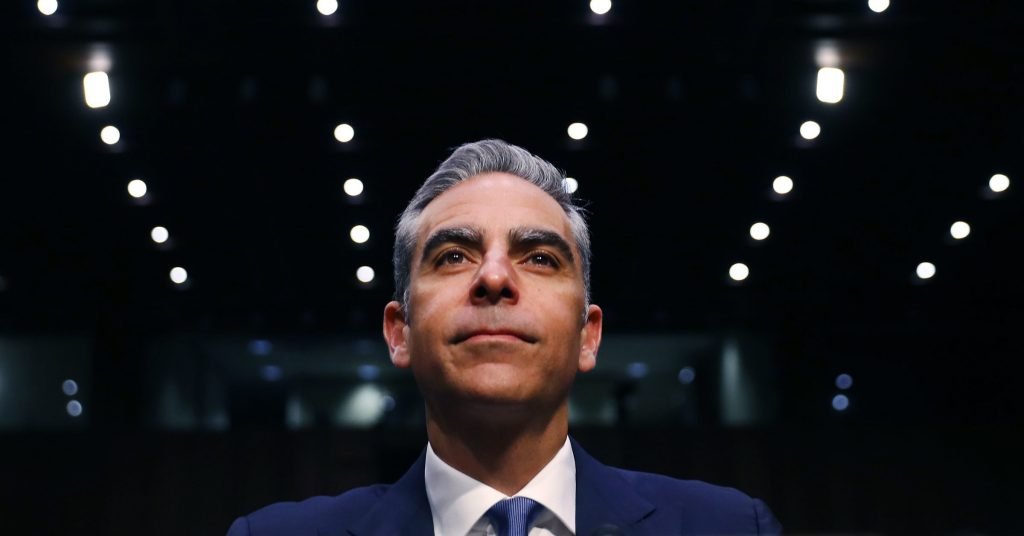
That much was clear in the often muddled questions of legislators who hauled in Facebook executive David Marcus to testify this week, as well as in Marcus’ frequent deflections. The issues raised are fundamental: Is Libra money? Facebook sure thinks it is, but the Securities and Exchange Commission is mulling whether it’s more like an investment, subject to strict rules. Is the Libra Association, which will manage the coin from Switzerland, a bank? Facebook says nay, though the Financial Stability Oversight Council is looking into whether it could be too big to fail. Federal Reserve Chair Jerome Powell candidly cops to a lack of regulatory know-how in handling Facebook’s proposed global financial network. “There isn’t any one agency that can stand up and have oversight over this,” he told senators last week.
In Washington this week, Marcus shed light on Facebook’s rough idea for a regulatory roadmap. It borrows heavily from a particular source: Bitcoin.
Let’s take a step back. The point of Bitcoin is that it lacks intermediaries. That also means there’s no one to hold accountable when things go wrong. Anyone can join the network that runs Bitcoin and trust they won’t be blamed if, say, their computer logs a bitcoin transaction to buy fentanyl on the dark web. That’s the beauty—and potential harm—of decentralization. Regulators sniffing for crime instead rely on the edges of the platform, especially the places where you can convert bitcoin into real money, explains Peter Van Valkenburgh, director of research for Coin Center, a cryptocurrency advocacy group. Every Bitcoin transaction is public, but users operate under pseudonyms. So when the FBI hunts cybercriminals, it turns to those “off-ramp” companies, like exchanges, which gather information about customers under anti-money-laundering rules. Combined with software that analyzes public blockchain transactions, that information can help unmask who’s behind a nefarious deal.
Facebook appears to be a fan of that general setup. The Libra blockchain, it says, will be a neutral, open source landscape on which anyone can freely transact and build applications. Just like Bitcoin, the blockchain data will be pseudonymous, so law enforcement can analyze it. And, as Marcus said multiple times in this week’s hearings, wallets and the on- and off-ramps will be subject to local regulations, with proper controls. He told legislators that such an open blockchain system would be “better than banks” for global law enforcement.
“Bitcoin set the standard with this pseudonymous thing and law enforcement got comfortable with it,” says Matthew Green, a professor of computer science at Johns Hopkins University. “Libra feels like they can just adopt that standard.”
That strategy creates a fundamental tension, says Joseph Grundfest, a Stanford law professor and former SEC commissioner. “Bitcoin is the result of a libertarian financial anarchistic rejection of traditional financial services,” he says. “Libra needs to be part of traditional financial services.”
The tension was on full display in Congress, where legislators started digging in to the complexities of how such a globe-spanning blockchain platform would handle thing
Be the first to write a comment.