Antivirus

How to set up and install a VPN on Android – TechRadar


The smartphone has really become the personal computer for many of us. After all, it is always on, always with each of us, and constantly in use. In many cases, we literally have our entire lives on these do-all devices – where Google’s Android platform as an estimated 85% of the market.Despite their market dominance,…

The smartphone has really become the personal computer for many of us. After all, it is always on, always with each of us, and constantly in use. In many cases, we literally have our entire lives on these do-all devices – where Google’s Android platform as an estimated 85% of the market.

Despite their market dominance, Android smartphones are still generally considered less secure than their iPhone competition. That does not mean that you should toss your favorite Android phone, but be aware of what you are dealing with.

VPN on your Android smartphone has become so popular. Well, that and the ability of VPNs to help you watch films and TV shows on foreign streaming sites, viewing websites and apps that have been blocked in certain offices, colleges and countries, and plenty more besides.

Fortunately, getting your cell set up for with a virtual private network is child’s play. It all starts with checking out TechRadar’s guide to the top Android VPN apps you can find at the Play Store.

And, from there, well… just follow the steps below. We’ve demonstrated how to get your service set up on Android using our #1 fave ExpressVPN.

Get the best Android VPN with 49% off plus 3 months FREE
The awesome ExpressVPN tops the lot when it comes to getting a VPN for Android. It’s super secure, boasts fast connections to 3,000+ servers across over 90 countries, and fantastic at unblocking streaming services like Netflix and iPlayer – plus, you can try it out for 30 days with its money back guarantee.
View Deal

1. Download the Android app

You have two choices here. Obviously , you can go to the Play Store and find your chosen app there. Hit the “Install” button on the upper right corner of your screen and away you go.

BUT if you do that then you’ll miss out on the exclusive three months for free offer that we’ve arranged with ExpressVPN. Follow this link and get started on the ExpressVPN website and you can be sure to bag that little bonus.

Once you’ve done that, Express will guide you to its Play Store page and you can continue the normal process as above.

ExpressVPN landing page for Android

(Image credit: ExpressVPN)

2. Open up your app

After under a minute, ExpressVPN should be downloaded and installed. The next step is to open the ExpressVPN app, by clicking on the green button “Open.” 

3. Sign up/enter your login details

If you took our canny money saving advice, then at this point you can enter your login credentials on your Android smartphone. So namely your email address and password, which you used when you signed up for the account.

If not, you’ll need to hit “New User” and take things from there. But remember, it isn’t too late at this point to get back to the provider website and take advantage of its special offer.

ExpressVPN sign in screen on Android app

(Image credit: ExpressVPN)

4. Happy to help?

The next screen presents you with a choice of sharing crash reports and information to improve the service. Obviously it depends on how benevolent you feel on what you choose here.

5. You’re ready to connect

That’s basically it – you’re ready to start using your VPN.  On the next screen, the VPN is getting ready to go and it just needs a final input from you.

So hit the the red circle above where it says “Tap to connect” and in a matter of moments you’ll be connected.

ExpressVPN connecting

(Image credit: ExpressVPN)

6. Choose your location

At this stage you know that the VPN should be working as your app should clearly tell you that it’s “Connected”. The software will choose a location for your based on your closest server.

Prefer to connect to a server elsewhere in the world (perhaps one in a country that is showing the sport or TV show you were hoping to stream)? Tap the “Current Location” box and take your pick. 

There you have it, and you can see how simple it is to get a VPN working on your Android smartphone.

Why should I get a VPN on my Android?

A smartphone is only as good as its connection. While cellular providers have gotten better through the years at providing a consistent data connection, issues still remain with the security of the connection. Furthermore, when at home or at work, many folks hook into a less secure Wi-Fi connection for faster throughput, and a better signal indoors.

Therefore, it makes sense to take some reasonable precautions to keep your Android phone secure. It starts with being wary of what gets installed on the phone, and to only use well known, highly rated apps from the Google Play store. Also, pay attention to what permissions each app is granted and make sure that they make sense (yes, a photo app does need access to the camera, but a text editor should not need the information from the GPS). While we are at it, be sure to run an Android antivirus app periodically to keep the phone clean. Finally, keep the connection secure, and avoid the malware in the first place with a mobile VPN.

Most better VPNs offer support for many types of devices beyond just your laptop or desktop computer. When choosing one, pay attention to if it supports all of your devices, and in particular your Android smartphone. Take note of the pricing, and any discounts available by prepaying for a longer plan, such as an annual discount.

Express VPN 12 month

EXCLUSIVE – SAVE 49%
NordVPN
Surfshark
12 months free
IPVanish
PrivateInternetAccess

Read More

Be the first to write a comment.

Leave a Reply

Your email address will not be published. Required fields are marked *

Antivirus

Why There’s Simply No Need For Android Antivirus Apps Anymore

Many Android users install an antivirus app on a new device without thinking twice. In 2026, there are good reasons to skip that step entirely…

Many Android users install an antivirus app on a new device without thinking twice. In 2026, there are good reasons to skip that step entirely…
Read More

Continue Reading
Antivirus

‘People use smartphones more but invest less in their security’: New report claims McAfee and Norton remain the most loved antivirus brands as users ditch lesser-known security products for free tools like Microsoft Defender or Apple Xprotect

Copy link Facebook X Whatsapp Reddit Pinterest Flipboard Threads Email Share this article 0 Join the conversation Follow us Add us as a preferred source on Google Newsletter Subscribe to our newsletter Most smartphone users rely on built-in security without additional protection Paid antivirus adoption on mobile devices continues to decline steadily A significant share


  • Most smartphone users rely on built-in security without additional protection
  • Paid antivirus adoption on mobile devices continues to decline steadily
  • A significant share of users remains unprotected or unaware of safeguards

Most Americans now use their smartphones more than their computers, but very few spend money to protect those phones from hackers, new research has claimed.

A Cybernews report surveyed over 1,000 American adults, and found only 18% of mobile phone users pay for third-party antivirus software.

Built-in tools like Microsoft Defender and Apple’s XProtect have become the default choice for most people, while McAfee and Norton lead the paid market for the second year in a row.

Latest Videos From

You may like

  • Best antivirus software Best Antivirus Software 2026
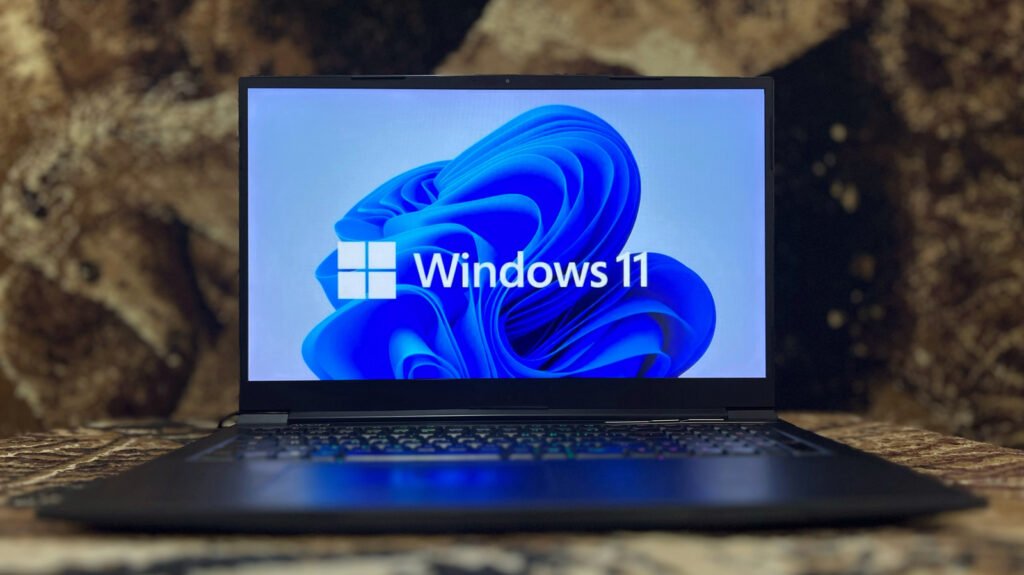
  • People using Windows 11 laptops Can Windows 11’s built-in antivirus keep you safe? Microsoft thinks so
  • Norton 36src Premium Norton 360 Premium will protect your devices from AI scams, malware, and identity theft for less than $30

Smartphone owners are skipping extra security protections

Most consumers believe the security features already built into their phones are sufficient for daily use, and see little reason to spend extra money on something they think they already own for free.

Roughly 14% of mobile users say they have no cybersecurity tools installed at all on their devices. Another 16% cannot even name what protections they currently have in place.

On desktop computers, the situation looks very different, with far fewer unprotected machines and much wider adoption of third-party security tools.

Windows Defender and Apple’s native security features now serve as the primary defense for 53% of computer users and 51% of mobile users.

Most people choose these free options because they trust the operating system vendor to provide adequate baseline protection.

Paid antivirus adoption on computers has actually grown by 2% since last year, reaching 41% of users.

On mobile devices, however, third-party antivirus usage has dropped by roughly 10% over the same period, falling from 28% to just 18%.

What to read next

  • Customer at home looking happy because his network is protected by ESET Home Security We all need digital protection and the ESET Home Security Plan is the bees knees
  • A hand holding a mobile phone scans a QR code on a blurry laptop screen. The phone issues a warning that the QR code could be malicious. Microsoft phishing threat report shows 146% surge in quishing
  • Malware attack virus alert , malicious software infection , cyber security awareness training to protect business Time for an upgrade? Report warns outdated operating systems could be the ‘unnecessary risk’ your business forgot about

Mobile users face growing risks

Ransomware attacks targeting smartphones are still less common than those aimed at computers, but the threat landscape is shifting rapidly.

Users who depend solely on the free security tools that came with their phones may be underestimating what modern cybercriminals can do.

Paid subscriptions have gained ground over free alternatives, yet the majority of mobile owners still avoid spending money on dedicated protection.

Cybercrime exposure does influence some users to change their habits, but personal experience is not the main driver of adoption for most people.

Many users employ layered security approach, combining antivirus with VPNs and password managers.

However, the data shows that a large segment of mobile users remain either unprotected or unsure about what safeguards they have.

Established brands like McAfee and Norton continue to benefit from user trust, while lesser-known products struggle to gain acceptance even when their features are comparable.


Google logo on a black background next to text reading

Follow TechRadar on Google News and add us as a preferred source to get our expert news, reviews, and opinion in your feeds. Make sure to click the Follow button!

Read More

Continue Reading
Antivirus

Surfshark One review: Adequate antivirus protection with caveats

At a glanceExpert’s Rating Pros Clean, extremely simple interface Alternative ID lets you mask your whole identity, not just an email address VPN service is solid Cons Full scans hit PC performance hard Very few settings to adjust Not as many features as similarly priced rivals Our Verdict If VPN coverage is your first priority…

At a glanceExpert’s Rating

Pros

Clean, extremely simple interface

Alternative ID lets you mask your whole identity, not just an email address

VPN service is solid

Cons

Full scans hit PC performance hard

Very few settings to adjust

Not as many features as similarly priced rivals

Our Verdict
If VPN coverage is your first priority…
Read More

Continue Reading
Antivirus

NITDA raises alarm on DeepLoad AI malware attacks, proffers solutions

“Never paste commands from a website into your computer; legitimate software never asks for this. Do not open files named ‘Chrome Setup’ or ‘Firefox Installer’ from USB drives; scan all USB devices with antivirus software before use,” the agency said, warning corporate companies of possible cyber attacks…

“Never paste commands from a website into your computer; legitimate software never asks for this. Do not open files named ‘Chrome Setup’ or ‘Firefox Installer’ from USB drives; scan all USB devices with antivirus software before use,” the agency said, warning corporate companies of possible cyber attacks…
Read More

Continue Reading