GDPR

Keeping your business fully compliant and secure during the delay phase

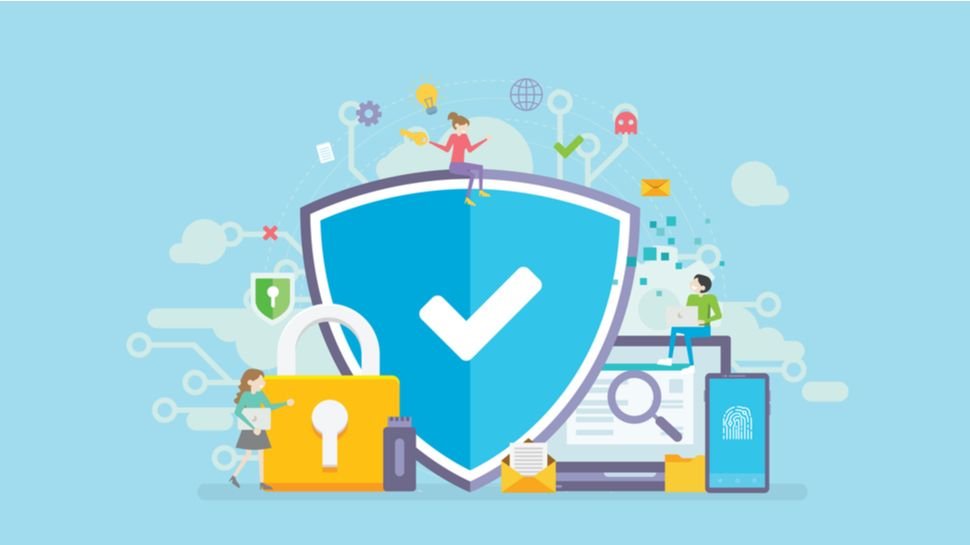
The UK is in the delay phase of the pandemic, with schools closed and employees asked to work from home where possible. So, how do businesses remain data compliant and cyber secure with staff working remotely, some for the first time?Firstly, rate the risks that remote working poses through a quick risk and security audit,…

The UK is in the delay phase of the pandemic, with schools closed and employees asked to work from home where possible. So, how do businesses remain data compliant and cyber secure with staff working remotely, some for the first time?

Firstly, rate the risks that remote working poses through a quick risk and security audit, which can be done whether employees are already working from home or not.

email as their main source of communications leaves them more vulnerable to phishing and social engineering attacks.

Identify and rate these risks on your most important assets and agree the best approach to deal with them. Getting key stakeholders from all areas of the business involved in these conversations is key as different areas of the business will have unique perspectives, based on their data, systems and way of working. Then, start implementing effective security measures starting with data protection.

  • Here’s our list of the best antivirus services on the market
  • Working from home: the mouse, monitor, keyboard and router you need
  • Here’s our choice of the best VPN services of 2020

Preventing a data leak

Legal and regulatory data protection and compliance worldwide is more stringent than ever, and the mishandling of i

Read More

Be the first to write a comment.

Leave a Reply

Your email address will not be published. Required fields are marked *

GDPR

Tech Tuesday: Data privacy and synthetic data generation tools

Data has become simultaneously the most valuable asset most organisations own and the most heavily regulated one. GDPR fines exceeded €4.5 billion cumulatively by early 2026. The EU AI Act’s classification of training data quality as a high-risk system requirement has made data provenance a legal obligation rather than a best practice…

Data has become simultaneously the most valuable asset most organisations own and the most heavily regulated one. GDPR fines exceeded €4.5 billion cumulatively by early 2026. The EU AI Act’s classification of training data quality as a high-risk system requirement has made data provenance a legal obligation rather than a best practice…
Read More

Continue Reading
GDPR

Researcher reveals official White House app is one command away from tracking your precise location every 4.5 minutes – app can also inject code to dodge cookie consent, GDPR banners, and paywalls

White House app contains code to hide cookie options, GDPR banners, and paywalls – and collects extensive user data…

White House app contains code to hide cookie options, GDPR banners, and paywalls – and collects extensive user data…
Read More

Continue Reading
GDPR

Viva la revolución: LinkedIn profile visitor lists belong to the people, says Noyb

GDPR Article 15 doesn’t care if you want to make money by selling users’ data back to them A LinkedIn feature the average non-paying user likely only glances past could end up setting a legal precedent in the EU regarding how companies treat customer data that they’ve processed. …

GDPR Article 15 doesn’t care if you want to make money by selling users’ data back to them A LinkedIn feature the average non-paying user likely only glances past could end up setting a legal precedent in the EU regarding how companies treat customer data that they’ve processed. …
Read More

Continue Reading
GDPR

Estonia is the rare EU country opposing bans on children’s social media use

In short: Estonia and Belgium are the only two EU member states to have declined the Jutland Declaration, an October 2025 pan-European commitment to restrict children’s access to social media. Estonia’s ministers argue that age-based bans are unenforceable, that children will find ways around them, and that the correct approach is to enforce the GDPR against

In short: Estonia and Belgium are the only two EU member states to have declined the Jutland Declaration, an October 2025 pan-European commitment to restrict children’s access to social media. Estonia’s ministers argue that age-based bans are unenforceable, that children will find ways around them, and that the correct approach is to enforce the GDPR against […]
This story continues at The Next Web…
Read More

Continue Reading