GDPR

Protect the domain, protect the brand


Even with the best antivirus and anti-malware software, we live in a challenging business environment heightened by the threat of cyber attacks, online fraud and brand abuse, protecting your organisation’s reputation, revenue and customers has never been more important. While there are many elements to consider when it comes to online brand protection, the domain…


Even with the best antivirus and anti-malware software, we live in a challenging business environment heightened by the threat of cyber attacks, online fraud and brand abuse, protecting your organisation’s reputation, revenue and customers has never been more important. While there are many elements to consider when it comes to online brand protection, the domain is perhaps the most important.

Your domain is the core of your business identity and forms the basis for your wider business strategy. It is vital to building your brand and fostering and maintaining customer trust. As a result, any damage to it in the form of abuse or an attack that undermines your internet security can have a negative impact on your organisation and affect customer trust.

From the beginning when you select and register your domain name or names, right through to managing them and securing them, the best approach is to gain a holistic view of your domains and the management process in order to mitigate risk both to your customers and your intellectual property. 

About the author

Chrissie Jamieson is the VP of Marketing for MarkMonitor.

The growing cyber threat

This may be easier said than done based on the approach that brands are taking. This was one of the findings from the recent MarkMonitor 2019 Global Business Survey. 

The research also showed the state of the industry in which brands are operating, revealing that 62% of brands have been impacted by cybercrime in the last year. In addition, 23% of brands experienced an attack targeted specifically at their domain. 

With 48% of brands sta

Read More

Be the first to write a comment.

Leave a Reply

Your email address will not be published. Required fields are marked *

GDPR

Tech Tuesday: Data privacy and synthetic data generation tools

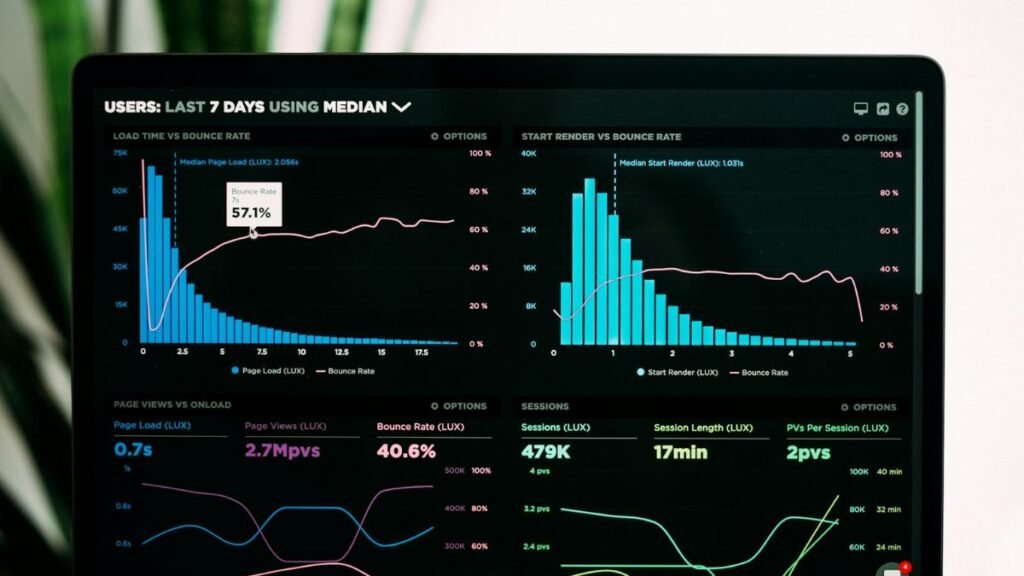
Data has become simultaneously the most valuable asset most organisations own and the most heavily regulated one. GDPR fines exceeded €4.5 billion cumulatively by early 2026. The EU AI Act’s classification of training data quality as a high-risk system requirement has made data provenance a legal obligation rather than a best practice…

Data has become simultaneously the most valuable asset most organisations own and the most heavily regulated one. GDPR fines exceeded €4.5 billion cumulatively by early 2026. The EU AI Act’s classification of training data quality as a high-risk system requirement has made data provenance a legal obligation rather than a best practice…
Read More

Continue Reading
GDPR

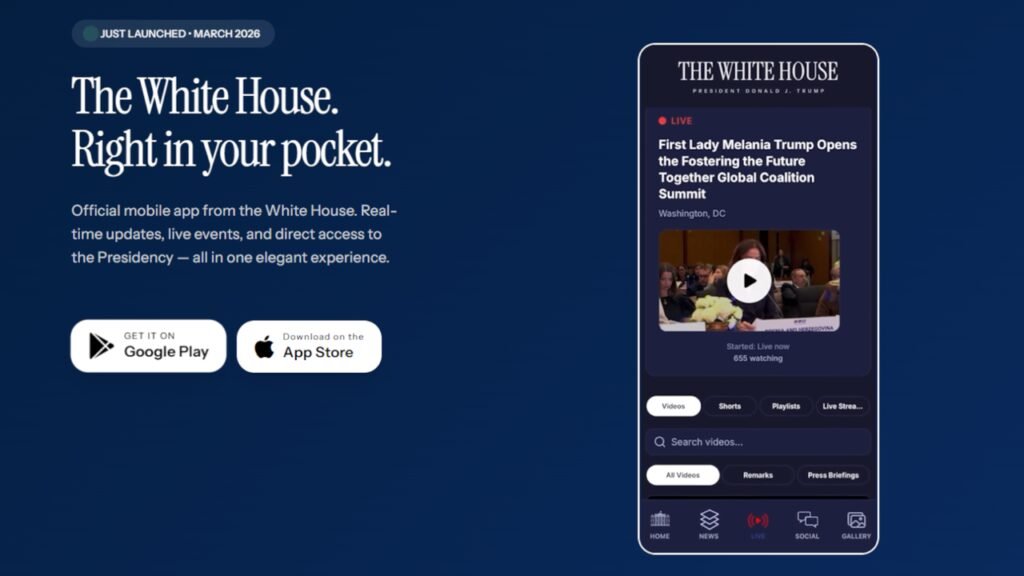
Researcher reveals official White House app is one command away from tracking your precise location every 4.5 minutes – app can also inject code to dodge cookie consent, GDPR banners, and paywalls

White House app contains code to hide cookie options, GDPR banners, and paywalls – and collects extensive user data…

White House app contains code to hide cookie options, GDPR banners, and paywalls – and collects extensive user data…
Read More

Continue Reading
GDPR

Viva la revolución: LinkedIn profile visitor lists belong to the people, says Noyb

GDPR Article 15 doesn’t care if you want to make money by selling users’ data back to them A LinkedIn feature the average non-paying user likely only glances past could end up setting a legal precedent in the EU regarding how companies treat customer data that they’ve processed. …

GDPR Article 15 doesn’t care if you want to make money by selling users’ data back to them A LinkedIn feature the average non-paying user likely only glances past could end up setting a legal precedent in the EU regarding how companies treat customer data that they’ve processed. …
Read More

Continue Reading
GDPR

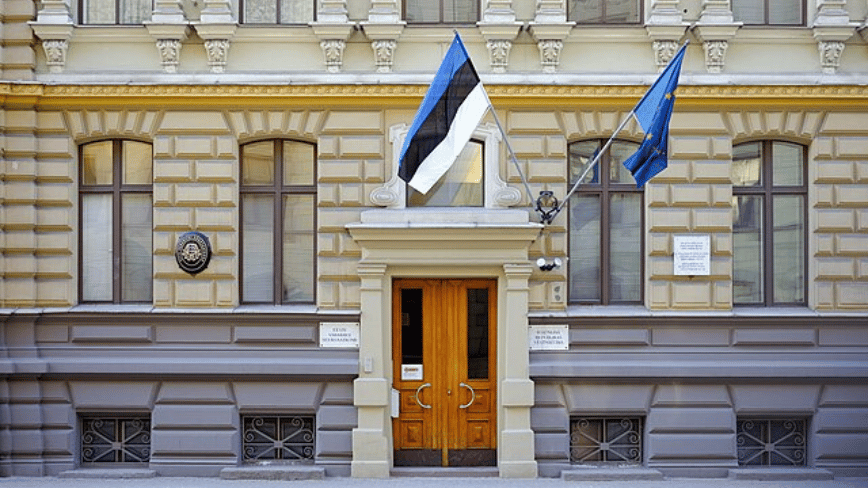
Estonia is the rare EU country opposing bans on children’s social media use

In short: Estonia and Belgium are the only two EU member states to have declined the Jutland Declaration, an October 2025 pan-European commitment to restrict children’s access to social media. Estonia’s ministers argue that age-based bans are unenforceable, that children will find ways around them, and that the correct approach is to enforce the GDPR against

In short: Estonia and Belgium are the only two EU member states to have declined the Jutland Declaration, an October 2025 pan-European commitment to restrict children’s access to social media. Estonia’s ministers argue that age-based bans are unenforceable, that children will find ways around them, and that the correct approach is to enforce the GDPR against […]
This story continues at The Next Web…
Read More

Continue Reading