GDPR

Sweeping EU tech legislation could force messaging apps to work together

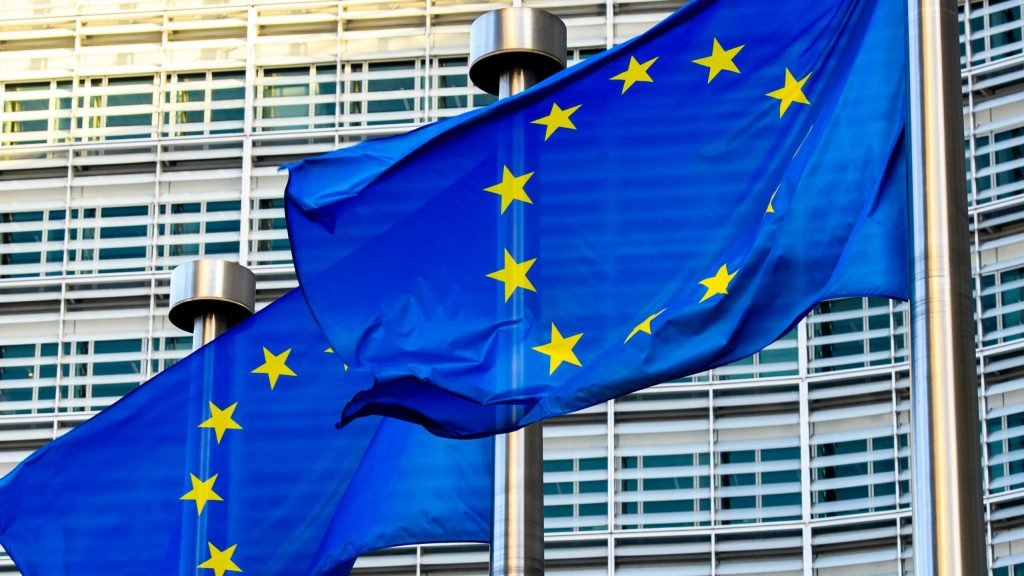
The big news in tech today is that the European Union (EU) reached an agreement on its ‘Digital Markets Act’ (DMA) that aims to “make the digital sector fairer and more competitive.” Like the EU’s GDPR, the DMA will have wide-reaching impacts, specifically on the world’s biggest tech companies: Google, Apple, Amazon, Meta (Facebook), etc.…

The big news in tech today is that the European Union (EU) reached an agreement on its ‘Digital Markets Act’ (DMA) that aims to “make the digital sector fairer and more competitive.”

Like the EU’s GDPR, the DMA will have wide-reaching impacts, specifically on the world’s biggest tech companies: Google, Apple, Amazon, Meta (Facebook), etc. At least, it will in the EU — Canadians likely won’t be directly impacted, although some of the new regulations in the DMA may have knock-on effects outside Europe (more on this at the end).

To start, let’s dig into some of the biggest changes the DMA brings to tech in Europe.

EU comes for Big Tech

The DMA is set up to target what the EU calls “gatekeepers,” defined as companies controlling one or more core platform services in at least three EU members states. Google’s and Apple’s smartphone app stores are great examples of this since they’re core services available in multiple European countries. However, services like search engines, social networks, cloud services, advertising, voice assistants, web browsers, and more also fall under this umbrella.

Along with the gatekeeper focus, DMA has certain revenue, valuation, and active user thresholds companies need to meet before the regulations take effect. These requirements mean the DMA almost exclusively applies to big tech companies like those mentioned above.

The DMA also outlines punishments for companies that don’t play by the rules. The legislation spells out fines of up to 10 percent of a company’s global turnover, and up to 20 percent fo

Read More

Be the first to write a comment.

Leave a Reply

Your email address will not be published. Required fields are marked *

GDPR

Tech Tuesday: Data privacy and synthetic data generation tools

Data has become simultaneously the most valuable asset most organisations own and the most heavily regulated one. GDPR fines exceeded €4.5 billion cumulatively by early 2026. The EU AI Act’s classification of training data quality as a high-risk system requirement has made data provenance a legal obligation rather than a best practice…

Data has become simultaneously the most valuable asset most organisations own and the most heavily regulated one. GDPR fines exceeded €4.5 billion cumulatively by early 2026. The EU AI Act’s classification of training data quality as a high-risk system requirement has made data provenance a legal obligation rather than a best practice…
Read More

Continue Reading
GDPR

Researcher reveals official White House app is one command away from tracking your precise location every 4.5 minutes – app can also inject code to dodge cookie consent, GDPR banners, and paywalls

White House app contains code to hide cookie options, GDPR banners, and paywalls – and collects extensive user data…

White House app contains code to hide cookie options, GDPR banners, and paywalls – and collects extensive user data…
Read More

Continue Reading
GDPR

Viva la revolución: LinkedIn profile visitor lists belong to the people, says Noyb

GDPR Article 15 doesn’t care if you want to make money by selling users’ data back to them A LinkedIn feature the average non-paying user likely only glances past could end up setting a legal precedent in the EU regarding how companies treat customer data that they’ve processed. …

GDPR Article 15 doesn’t care if you want to make money by selling users’ data back to them A LinkedIn feature the average non-paying user likely only glances past could end up setting a legal precedent in the EU regarding how companies treat customer data that they’ve processed. …
Read More

Continue Reading
GDPR

Estonia is the rare EU country opposing bans on children’s social media use

In short: Estonia and Belgium are the only two EU member states to have declined the Jutland Declaration, an October 2025 pan-European commitment to restrict children’s access to social media. Estonia’s ministers argue that age-based bans are unenforceable, that children will find ways around them, and that the correct approach is to enforce the GDPR against

In short: Estonia and Belgium are the only two EU member states to have declined the Jutland Declaration, an October 2025 pan-European commitment to restrict children’s access to social media. Estonia’s ministers argue that age-based bans are unenforceable, that children will find ways around them, and that the correct approach is to enforce the GDPR against […]
This story continues at The Next Web…
Read More

Continue Reading