GDPR

The GDPR paradox: how data regulation creates revenue streams

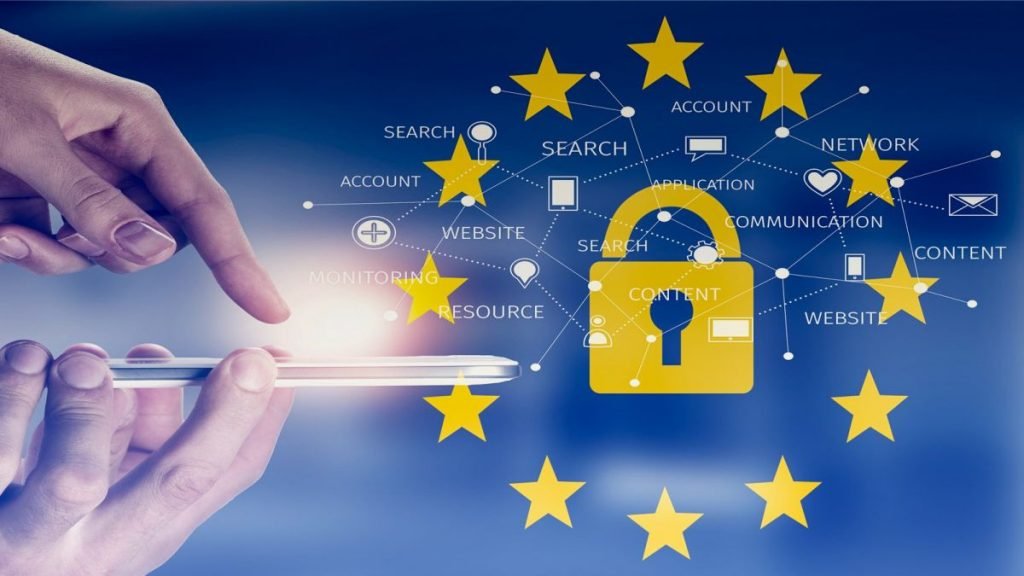
The global installation base for home smart speakers is predicted to grow to 225 million by 2020. The much-vaunted 5G telecoms rollout promises leaps in Internet of Things and smart city innovation. Wearable fitness technology increasingly goes beyond step counting and heart rate monitoring to provide deep insights into our health.As the huge data sets…


The global installation base for home smart speakers is predicted to grow to 225 million by 2020. The much-vaunted 5G telecoms rollout promises leaps in Internet of Things and smart city innovation. Wearable fitness technology increasingly goes beyond step counting and heart rate monitoring to provide deep insights into our health.

As the huge data sets that companies can now leverage become ever more integrated into consumer-facing products – and as the hype dies down following last May’s General Data Protection Regulation deadline – one could be forgiven for expecting data regulation compliance efforts to be low on the list of priorities for 2019. As the GDPR, like the cookie notice, becomes an accepted part of everyday life, surely our collective attention will turn back to shiny innovation?

  • Ten tips for GDPR compliance
  • Cisco backs US GDPR calls
  • Six months on from GDPR

Image Credit: Shutterstock

Image Credit: Shutterstock

(Image: © Wright Studio / Shutterstock)

More than compliance

In fact, the journey towards compliance is only just beginning. This is partly because few were ready for the GDPR when it came into force. On one side, businesses were not prepared: as of last May over 80% of organisations had not yet completed basic data discovery exercises to assess the scale of the task. On the other side, the regulation could not yet be suitably enforced: 17 of

Read More

Be the first to write a comment.

Leave a Reply

Your email address will not be published. Required fields are marked *

GDPR

Tech Tuesday: Data privacy and synthetic data generation tools

Data has become simultaneously the most valuable asset most organisations own and the most heavily regulated one. GDPR fines exceeded €4.5 billion cumulatively by early 2026. The EU AI Act’s classification of training data quality as a high-risk system requirement has made data provenance a legal obligation rather than a best practice…

Data has become simultaneously the most valuable asset most organisations own and the most heavily regulated one. GDPR fines exceeded €4.5 billion cumulatively by early 2026. The EU AI Act’s classification of training data quality as a high-risk system requirement has made data provenance a legal obligation rather than a best practice…
Read More

Continue Reading
GDPR

Researcher reveals official White House app is one command away from tracking your precise location every 4.5 minutes – app can also inject code to dodge cookie consent, GDPR banners, and paywalls

White House app contains code to hide cookie options, GDPR banners, and paywalls – and collects extensive user data…

White House app contains code to hide cookie options, GDPR banners, and paywalls – and collects extensive user data…
Read More

Continue Reading
GDPR

Viva la revolución: LinkedIn profile visitor lists belong to the people, says Noyb

GDPR Article 15 doesn’t care if you want to make money by selling users’ data back to them A LinkedIn feature the average non-paying user likely only glances past could end up setting a legal precedent in the EU regarding how companies treat customer data that they’ve processed. …

GDPR Article 15 doesn’t care if you want to make money by selling users’ data back to them A LinkedIn feature the average non-paying user likely only glances past could end up setting a legal precedent in the EU regarding how companies treat customer data that they’ve processed. …
Read More

Continue Reading
GDPR

Estonia is the rare EU country opposing bans on children’s social media use

In short: Estonia and Belgium are the only two EU member states to have declined the Jutland Declaration, an October 2025 pan-European commitment to restrict children’s access to social media. Estonia’s ministers argue that age-based bans are unenforceable, that children will find ways around them, and that the correct approach is to enforce the GDPR against

In short: Estonia and Belgium are the only two EU member states to have declined the Jutland Declaration, an October 2025 pan-European commitment to restrict children’s access to social media. Estonia’s ministers argue that age-based bans are unenforceable, that children will find ways around them, and that the correct approach is to enforce the GDPR against […]
This story continues at The Next Web…
Read More

Continue Reading