GDPR

What’s been done for data privacy since GDPR?

This year, privacy continues to be the most important aspect of data management as an increasing number of consumers are growing concerned about their privacy and the security of their personal information. According to research from the Global Web Index, 51% of European respondents are concerned about the Internet eroding their personal privacy and 60% worry…


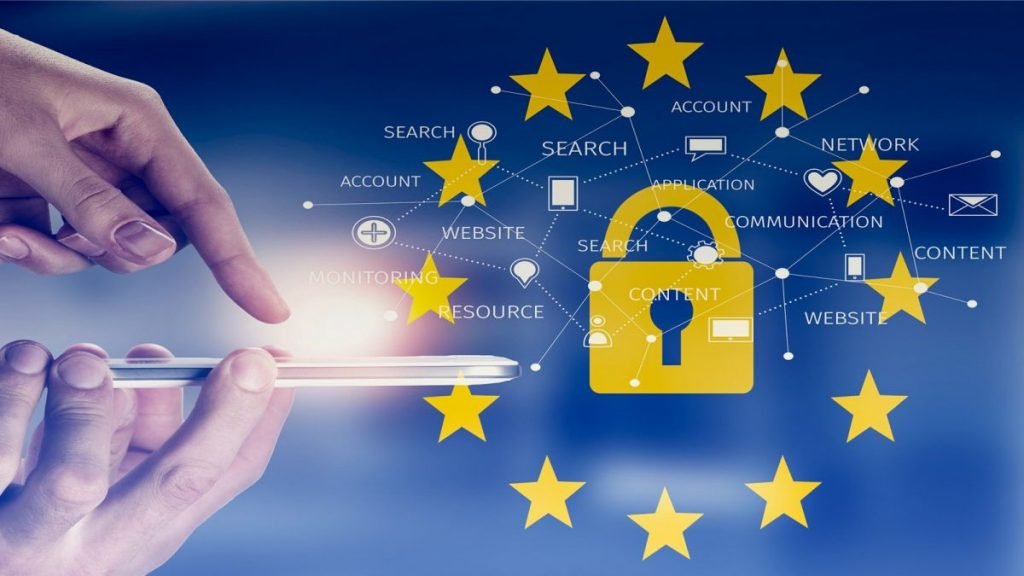
This year, privacy continues to be the most important aspect of data management as an increasing number of consumers are growing concerned about their privacy and the security of their personal information. 

According to research from the Global Web Index, 51% of European respondents are concerned about the Internet eroding their personal privacy and 60% worry about how their personal information is being used by companies. In the US, these figures rise to 62% and 65% respectively. While in Europe GDPR was introduced to protect consumers’ privacy and safeguard their data, it also seems to have increased awareness of the misuse of data. People now realise the importance and value of their personal information and, as a result, are demanding greater control over their information and increasingly becoming unwilling to give up that information.

While organisations already put processes in place to drive compliance with GDPR, those organisations must recognise and acknowledge this consumer trend and continue to enhance their processes and policies to sustain a data privacy program and ensure the proper protections and safeguards. Failing to do so could result in dire consequences, not only in terms of fines from regulatory agencies, but also failing to protect privacy and safeguard personal information, even slightly, could cost them the trust of their customers. 

  • Why data privacy without data visibility doesn’t cut it for GDPR
  • Ten tips for GDPR compliance
  • GDPR Subject Access Request: authentication cannot be an afterthought

Additionally, as companies come to grips with the privacy and security issues relating to personal information, the concept of information ethics is coming to the fore. So, what are businesses doing in order to provide for continuous improvement around the issue of privacy? And what does information ethics mean for data privacy?

Image credit: Shutterstock 

Image credit: Shutterstock 

(Image: © Wright Studio / Shutterstock)

Creating new roles

As businesses start to understand the idea of information ethics being a major corollary to data privacy and security, more and more organisations begin to look not only at what they could do with data but what they should do with data. And this should is not from the perspect

Read More

Be the first to write a comment.

Leave a Reply

Your email address will not be published. Required fields are marked *

GDPR

Tech Tuesday: Data privacy and synthetic data generation tools

Data has become simultaneously the most valuable asset most organisations own and the most heavily regulated one. GDPR fines exceeded €4.5 billion cumulatively by early 2026. The EU AI Act’s classification of training data quality as a high-risk system requirement has made data provenance a legal obligation rather than a best practice…

Data has become simultaneously the most valuable asset most organisations own and the most heavily regulated one. GDPR fines exceeded €4.5 billion cumulatively by early 2026. The EU AI Act’s classification of training data quality as a high-risk system requirement has made data provenance a legal obligation rather than a best practice…
Read More

Continue Reading
GDPR

Researcher reveals official White House app is one command away from tracking your precise location every 4.5 minutes – app can also inject code to dodge cookie consent, GDPR banners, and paywalls

White House app contains code to hide cookie options, GDPR banners, and paywalls – and collects extensive user data…

White House app contains code to hide cookie options, GDPR banners, and paywalls – and collects extensive user data…
Read More

Continue Reading
GDPR

Viva la revolución: LinkedIn profile visitor lists belong to the people, says Noyb

GDPR Article 15 doesn’t care if you want to make money by selling users’ data back to them A LinkedIn feature the average non-paying user likely only glances past could end up setting a legal precedent in the EU regarding how companies treat customer data that they’ve processed. …

GDPR Article 15 doesn’t care if you want to make money by selling users’ data back to them A LinkedIn feature the average non-paying user likely only glances past could end up setting a legal precedent in the EU regarding how companies treat customer data that they’ve processed. …
Read More

Continue Reading
GDPR

Estonia is the rare EU country opposing bans on children’s social media use

In short: Estonia and Belgium are the only two EU member states to have declined the Jutland Declaration, an October 2025 pan-European commitment to restrict children’s access to social media. Estonia’s ministers argue that age-based bans are unenforceable, that children will find ways around them, and that the correct approach is to enforce the GDPR against

In short: Estonia and Belgium are the only two EU member states to have declined the Jutland Declaration, an October 2025 pan-European commitment to restrict children’s access to social media. Estonia’s ministers argue that age-based bans are unenforceable, that children will find ways around them, and that the correct approach is to enforce the GDPR against […]
This story continues at The Next Web…
Read More

Continue Reading