Where is the EU going on tech and competition policy? – TechCrunch

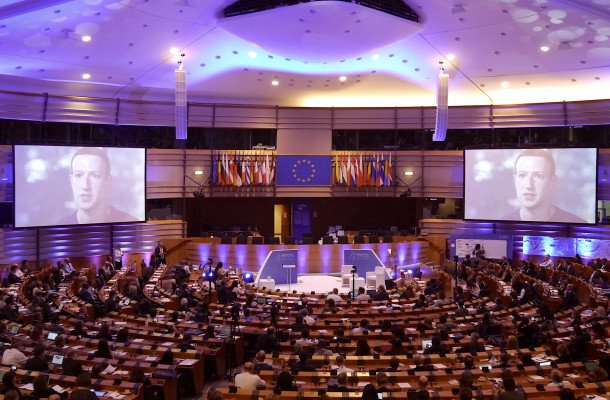
Huge technology policy questions are looming for whoever takes the top jobs at the European Unionin the coming months. Decisions that could radically reshape tech business models, reconfigure the competitive landscape and change the relationship between Internet users and the content and services they consume.
In short, the entire future of the tech industry — and potentially not just in Europe but worldwide — is at stake.
The incoming European Commissionwill be faced with a lengthy list of pressing questions. How will they reboot competition law for the digital era? Should they rush in swinging a break-up hammer at monopolistic tech giants or take a scalpel to the competition-crushing problem of networked dominance by slicing up their data flows?
They will have to defend fundamental rights that call for privacy by design and data minimization against AI’s rapacious demand for data and the predictive powers of pattern-spotting algorithms.
They will have to evaluate how to make sure platforms play fair — and ensure that the initial embrace of sellers or service providers doesn’t evolve into crushing abuse. They will have to fashion rules that can wrap around digital giants, rather than getting bent out of shape by ‘winner takes all’ business models.
The power of tech giants to influence entire nations is now writ large in EU domestic politics. Europe knows it needs to hammer out an agreement on reforming digital taxation, with rising citizen anger over tax inequalities. The question is how to do it when certain states with low corporate tax rates have been colonised by tech giants which definitely don’t want tax reform to happen.
There’s also the tricky business of arbitrating between Europe’s traditional creative industries and the predominantly US sharing platforms that have gotten fat off of the back of others’ content — a battle so fraught it’s already yielded an EU copyright reform as polarising as Brexit.
How, too, to level the playing field between Internet giants and traditional telcos?
That requires winning agreement on an update to ePrivacy rules that’s been stalled for months. Because, again, new rules are urgently needed — to wrap around digital comms and address digital marketing’s weed-like sprawl, an outgrowth that’s spawned an entire shadowy industry of trackers, data brokers and people profilers which can be linked to many a data scandal and has driven EU consumers into the arms of ad blockers. How to find a way through all the competing interests to bring order to the unregulated mess that is modern adtech?
Then there’s hate speech and online disinformation. What’s to be done to shrink the democratic risks of political manipulation without trampling freedom of expression? And how can Europe best equip its citizens for the next waves of deepfaked information warfare while also getting platforms to accountably clean up their act?
Europe needs to shape a strategy to support AI too. It wants to do this in a way that reflects and bakes in European values. But how to ensure ethical guardrails to make AI development sensitive and “human-centric” don’t just end up kneecapping homegrown technologists versus whatever’s coming out of China?
Speaking of China, then of course there’s 5G. The Commission has to chart a delicate course between member states’ national security priorities and the fragmentation threat to its flagship digital single market policy if EU nations respond differently to Huawei. The whole project risks collapsing into mutual mistrust — which would reverse the intended gains to Europe’s digital economy.
On the legal front, an ongoing clash of priorities between US surveillance practices and EU fundamental rights also looks like trouble brewing.
A flagship EU-US data transfer mechanism launched by the Commission in 2016 is now facing serious legal questions. Does the next Commission have with a plan B to keep critical business data flowing for the thousands of companies signed up to its Privacy Shield framework if it gets struck down by a judge’s pen?
This is not a theoretical threat; the predecessor arrangement that had stood for fifteen years was invalidated in 2015, after a legal challenge which drew on NSA whistleblower Edward Snowden’s revelations of US mass surveillance programs. Trump’s ‘America First’ policy agenda clearly risks exacerbating this clash.
The US president is also of course continuing to rain down trade uncertainties that are rocking the stability ofEast-West technologysupply chains. How should Europe respond to the wreaking ball potential of Trump’s trade war? What support can it offer its own tech industry to manage a level of uncertainty that makes brexit look like a picnic?
And, as the Internet splinters into increasingly localized flavors, how will Europe prepare and position itself?
The techie to-do list crossing the next Commission’s desk is packed with highly charged, pressing and politically fraught problems.
Over the past year the EU has dined out on making a name for itself on the world stage with a shiny new set of digital privacy rules — aka, the General Data Protection Regulation (GDPR) — at a time when US policymakers are just waking up to the rude incursions of homegrown data-mining tech giants. But attention now needs to be paid to ensuring it actually delivers what was promised or else the global spotlight will be pointing at policy failure.
So yet another task for the next Commission will be applying the right level of strategic pressure to make sure the regulation’s wheels are turning.
National data protection agencies are where GDPR enforcement will fly or fail. The highest profile cases that will really test their mettle are of course attached to tech giants — including Facebook and Google. The latter’s handling of personal data for behavioral advertising is now under scrutiny in Ireland.
The Irish DPC also has more than ten open investigations into Facebook-owned businesses, covering a range of issues — from probes of specific security breaches to whether it is lawfully gaining consent to process the data of users of its platform being as it offers no opt-out from behavioural ads.
If Ireland fails to defend European values and rights against the commercial incursions of some of the world’s most powerful companies it would represent EU policy failure at the highest level.
It could also invite revolt from less conflicted parts of Europe. A dispute resolution mechanism is baked into GDPR, which allows the European Data Protection Board to step in if disagreement between DPAs om cross-border cases threatens to derail decisions. While this does look intended as a tool of last resort, the market denting power of tech giants is piling the pressure on — with record numbers of such complaints awaiting judgement.
Either way, battles are brewing. And the biggest fight looks to be for the future shape of the commercial Internet.
Ad-funded business models that have been allowed to grow like weeds are under regulatory scrutiny like never before — thanks, in large part, to European interventions. So too are the tech giants that have profited so handsomely by being able to use data how they like.
At the same time a new generation of privacy-conscious startups is thinking differently and doing what it can to gain footholds in markets where platform giants suck most of the oxygen out of the room.
Strong decisions by the next Commission to defend European rights and reboot digital markets with fairness and competition at the center have the potential to transform the digital economy so that there are far more winners, not just a few taking all.
The question is whether Europe’s leaders will rise to the challenge.
Who’s in the running to be the next EC president?
The center right’s preferred candidate — and therefore the technical favorite for the EU’s top job — is German conservative, Manfred Weber.
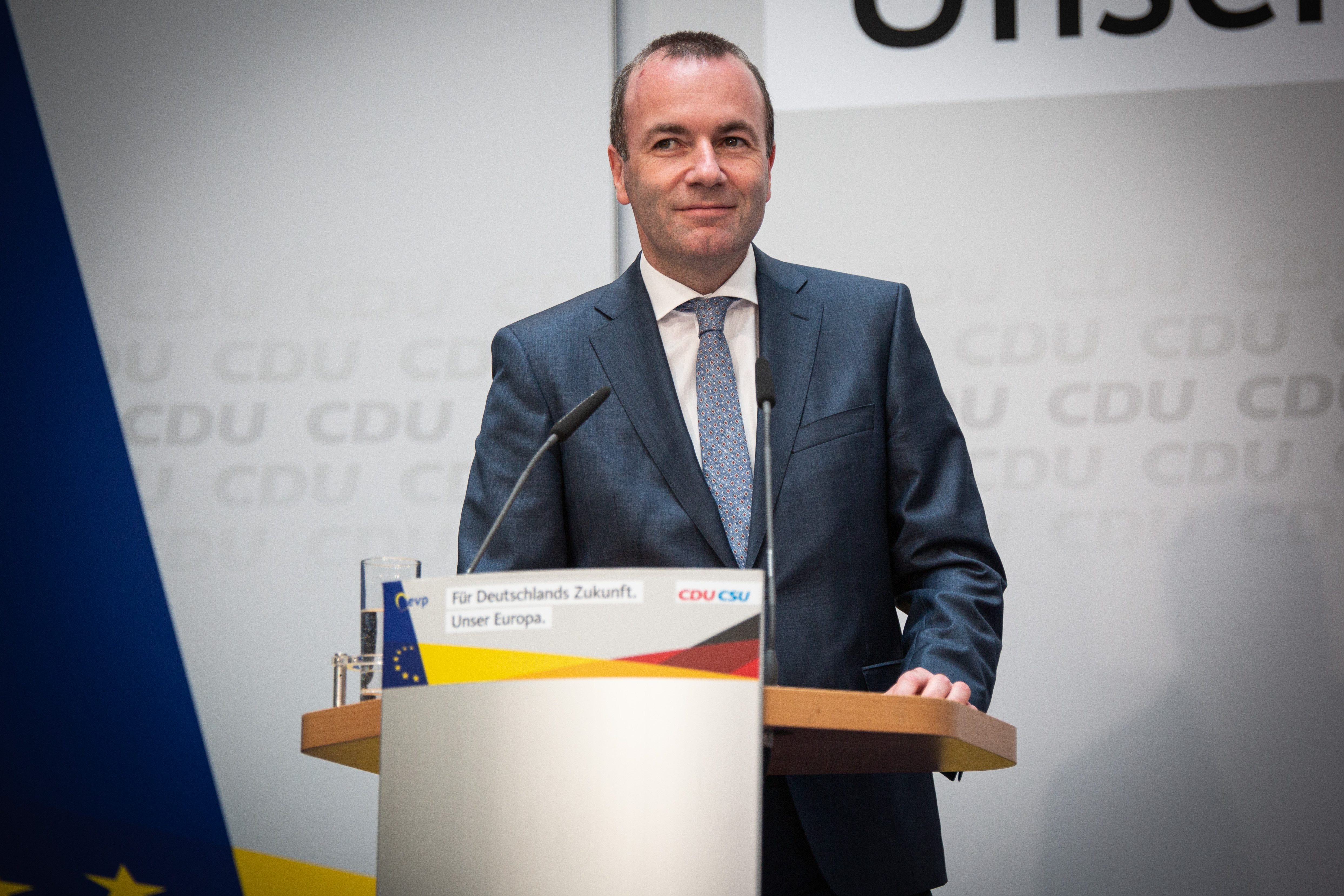
Manfred Weber. Photo by David Speier/NurPhoto via Getty Images
In Commission president candidate debates he has billed himself as offering “stability” for the European project, via a “pro-compromise approach” — and talked about strengthening “the innovation field” as the key to building a stronger EU economy, saying he also wants to upgrade the EU-US trade relationship to bolster Europe’s prospects.
But Weber has a lack of executive experience and suffers from something of a charisma vacuum at a time when a big personality might well be required to sit in the chair and ‘sell’ the next Commission to a more fragmented European Parliament.
The kaleidoscope twist of European parliamentary politics may also have undermined Weber’s frontrunner chances by allowing critics to argue against him on the grounds that his party, the EPP, failed to grow its share of the votes. So it may b
Be the first to write a comment.