New to Blockchain: Turning In-Game Virtual Goods into Assets

resident CryptoKitty, a cartoon cat with tiger stripes and trembling eyes, for $1.05. Since then, we haven’t seen her much. A so-called “digital collectible,” she lives a lonely life in perpetuity at an address on the Ethereum blockchain: You can look at her, but little else. Soon, though, her digital life could gain a bit more excitement—in the hands of game developers.
Gregory Barber covers cryptocurrency, blockchain, and artificial intelligence for WIRED.
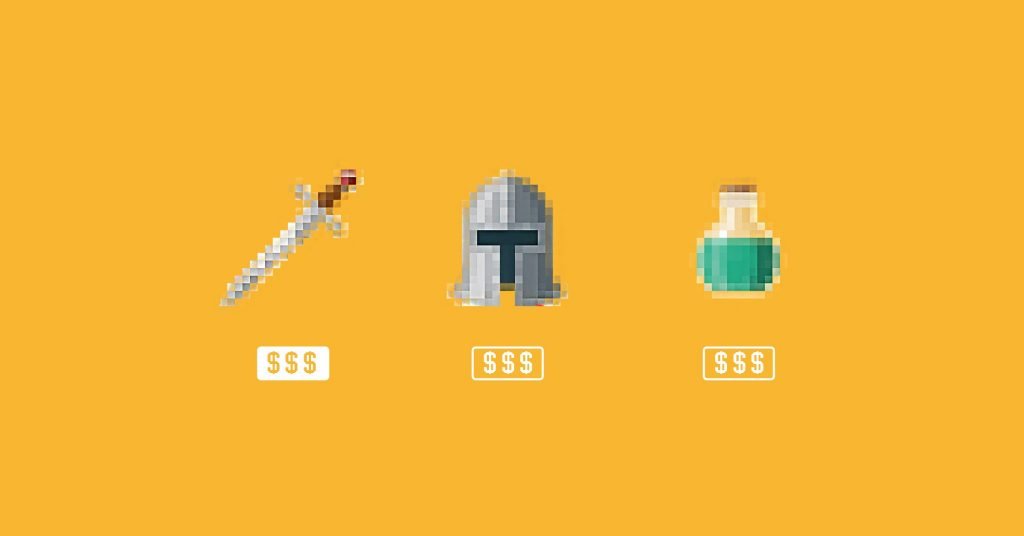
For developers, the technology that underpins Catoshi offers an intriguing twist on the economics of gaming. Virtual goods are already a $50 billion-plus annual market, making up the bulk of gaming industry revenue as players shell out for the likes of fancier virtual swords and new character outfits. But unlike a CryptoKitty, gamers don’t really own the virtual items they pay for: at the end of the day, they’re pixels that disappear when you delete the game. Companies like Andreessen Horowitz–backed Forte and Hong Kong’s Animoca, which invested in CryptoKitties last year, want to use blockchain technology to turn these ephemeral items into assets.
Kevin Chou, Forte’s CEO, previously founded Kabam, the mobile gaming company that was a pioneer of the so-called freemium model: Games that are free to download and don’t require a fancy console to play, but generate revenue by selling virtual goods. Chou’s insight was that people increasingly live their lives online, and put real value on their virtual experience. “Imagine a person who’s spending three or four hours a day playing a game and is plugged into the community, talking about what’s going on in their lives with their friends,” he says. That makes people more likely to pay for virtual items, whether to unlock new types of gameplay or simply because they look pretty. Kabam sold for nearly $1 billion in 2017, primarily to South Korea’s Netmarble.
But Chou says in-game economies have grown so complicated that developers have trouble overseeing them. As a result, they place limits. Game developers typically sell goods directly to gamers and keep a firm grip on the levers of supply and demand. There’s no mechanism for players to sell the virtual items among themselves—because they don’t actually own the things. “Right now these are basically command-and-control economies,” says Brett Seyler, Forte’s chief platform officer.
Some players find loopholes to buy and sell their in-game spoils.CounterStrike: Global Offensive, a popular multiplayer shooting game, became notorious for supporting billions of dollars in bets that use decorative virtual weapons, known as “skins,” as gambling chips to wager
Be the first to write a comment.